As the world commemorates World AIDS Day 2025, new findings from the African Sex Workers Alliance (ASWA) reveal a growing demand among sex workers for equitable access to emerging HIV prevention technologies.
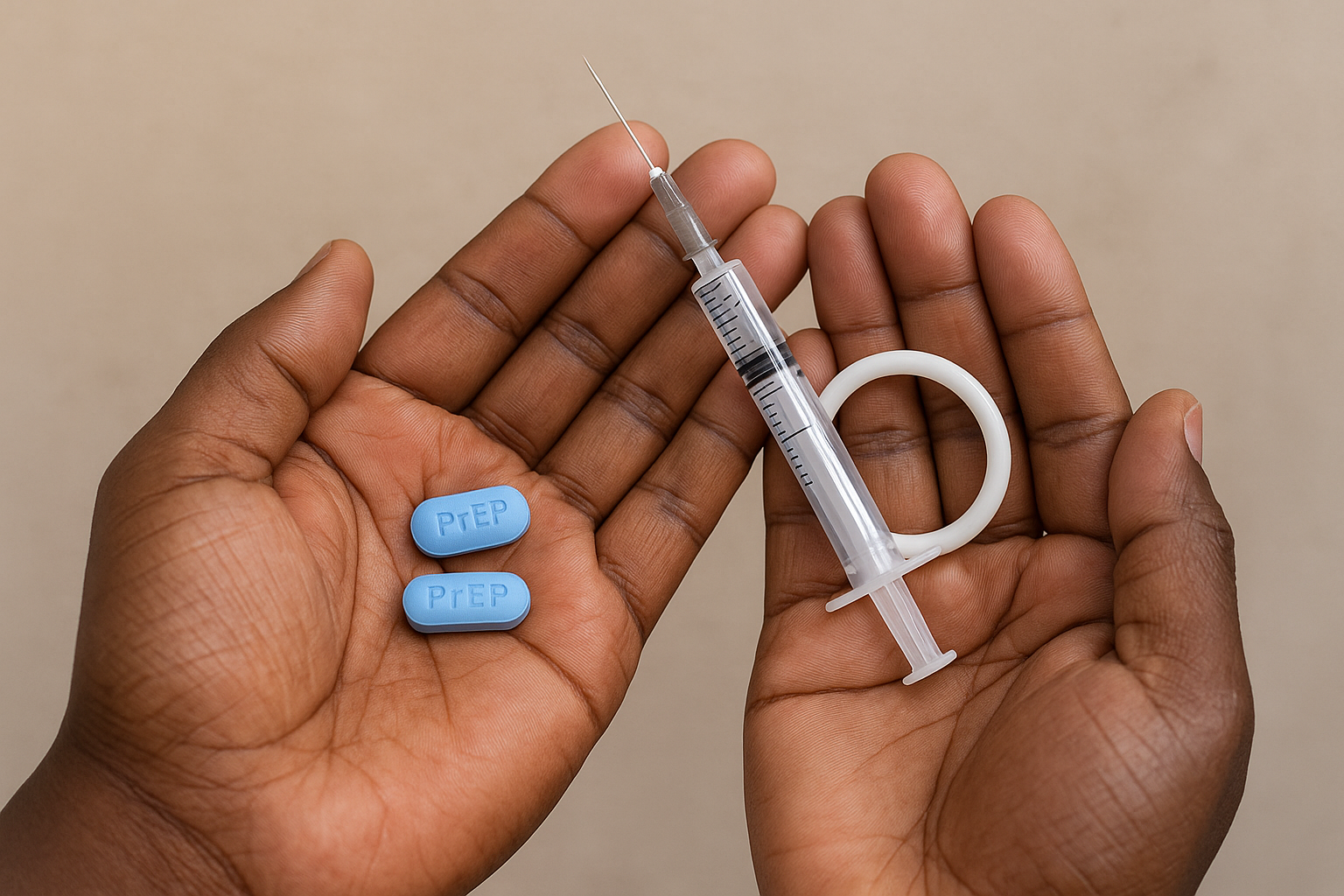
While scientific advances such as Lenacapavir, CAB-LA injectable PrEP, and the Dapivirine Vaginal Ring offer promising opportunities to reduce HIV infections, many sex workers say they still face significant barriers to benefiting from them.
The findings draw on data from ASWA’s ongoing survey, “Sex Workers’ HIV Prevention & Acceptability of New HIV Prevention Technology.” The survey, which is anonymous and confidential, aims to better understand sex workers’ current HIV prevention practices and their perspectives on emerging technologies.
Sex workers remain among the most disproportionately affected populations in Africa’s HIV epidemic, facing heightened vulnerability due to criminalization, discrimination, violence, and widespread stigma in healthcare settings. Although global progress has expanded access to HIV services, ASWA’s research highlights that sex workers are often excluded from the rollout of newer biomedical prevention tools.
According to respondents, sex workers are eager yet cautious about adopting new HIV prevention options. Many emphasized the need for clear, accessible, and community-tailored information on how each method works, potential side effects, dosing schedules, and overall safety. For some sex workers, particularly in countries where options are limited, lack of access is a major concern.
One respondent from Namibia explained:
“Currently, only oral PrEP pills are available in Namibia. To make an informed choice between other options like Lenacapavir, CAB-LA, or the Ring, I would need clear information on access, side effects, dosing schedules, and how each method fits into different lifestyles. Support with adherence strategies and updates on future availability would also be valuable for communities navigating prevention choices.”
“In many countries, CAB-LA is only available in selected health facilities, and these are often places where sex workers face stigma,” another respondent added. “Access through sex worker-led organisations would make us feel safer and more empowered.”
The research also showed overwhelming support for community-led delivery models, with many participants saying they prefer receiving services from sex worker-led clinics, drop-in centres, and mobile outreach platforms. These trusted spaces provide privacy, dignity, and non-judgmental care—qualities that many respondents said are lacking in mainstream health settings.
Affordability and sustainability emerged as major concerns. Several sex workers expressed worry that the cost of injectable or long-acting prevention tools could hinder uptake unless the options are made available free of charge or at highly subsidized rates.
ASWA’s findings echo the theme of World AIDS Day 2025—“Overcoming Disruption, Transforming the AIDS Response.” For ASWA and its partners, transformation means more than scientific advancement: it requires centering sex workers’ rights, dismantling punitive legal structures, and ensuring that sex workers have a meaningful voice in health policy decisions that affect their lives.
“Sex workers across Africa are ready to use these prevention tools,” said ASWA Regional Coordinator, Grace Kamau. “But meaningful access requires accurate information, safe and stigma-free services, and full recognition of sex workers as partners in the HIV response—not as criminals.”
Public health experts agree that long-acting HIV prevention methods have the potential to significantly reduce new infections, particularly among key populations. However, ASWA warns that without deliberate, rights-based strategies, these innovations could deepen existing inequalities rather than close gaps.
As the world reflects on progress this World AIDS Day, ASWA’s research sends a clear message: ending AIDS by 2030 is only possible if the needs, rights, and voices of sex workers are at the centre of the response. Ensuring access to information, expanding community-led services, and making prevention options affordable are critical steps toward a future where sex workers can protect their health—and where no one is left behind.