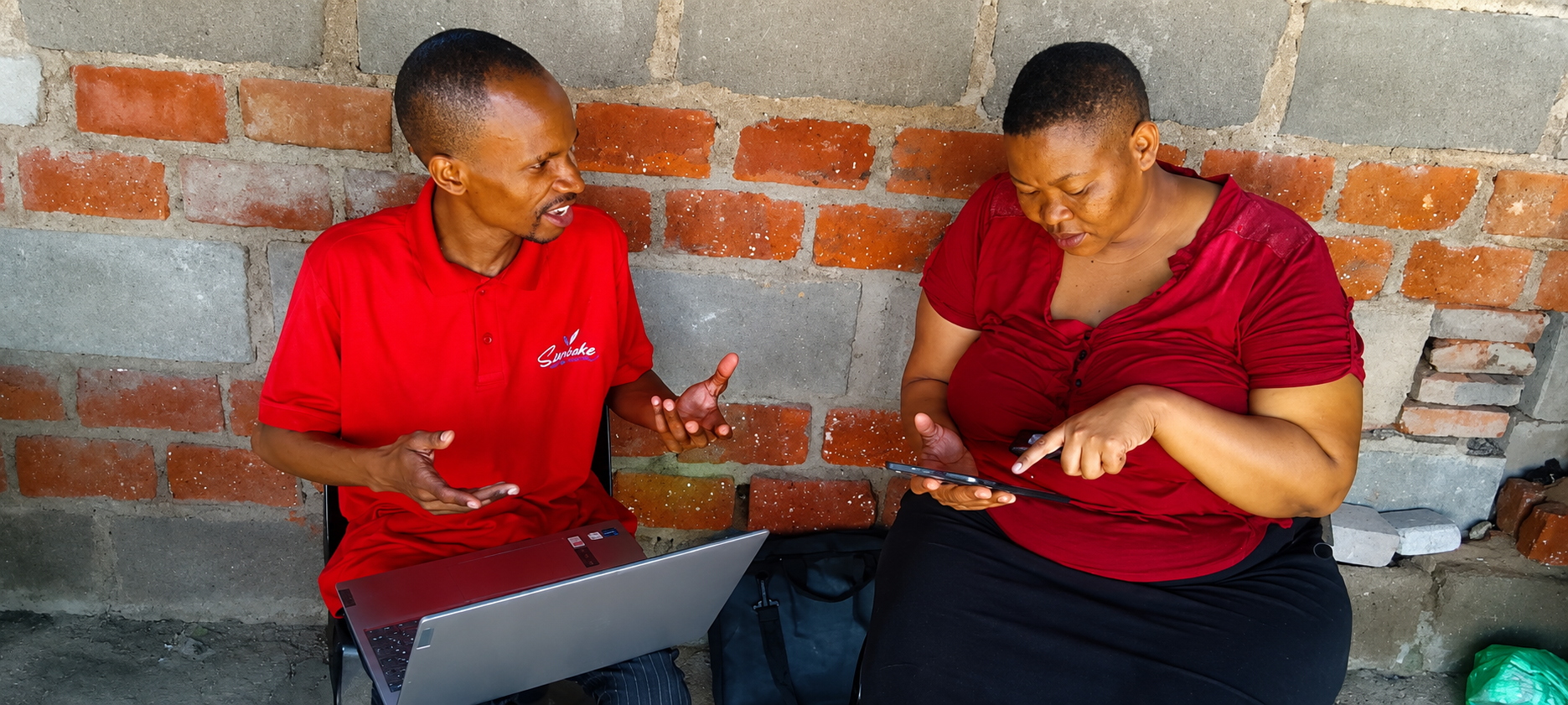
Thato Calvin, from Sisonke Botswana, knows firsthand what it means to fight for dignity and survival. Having lived the realities of sex work, Thato’s journey is not just about personal endurance it’s about giving back to a community often forced into the shadows.
“There is still strong stigma and discrimination, especially around healthcare and law enforcement,” Thato explains.
Even before recent funding cuts, sex workers in Botswana faced daily challenges to their safety and well-being. Yet, with support from organizations like Sisonke Botswana, things were once better.
Through its community-led approach, healthcare services, HIV testing, and condoms were accessible. Outreach programs and peer educators helped bridge the gap between the community and health providers.
Botswana remains heavily affected by HIV. According to UNAIDS, in 2023, the country had an estimated adult HIV prevalence rate of 19.9%. Among key populations like sex workers, this rate is much higher: a 2022 UNAIDS report estimated HIV prevalence among female sex workers in Botswana at approximately 46%.
The same report found that about 350,000 adults and children were living with HIV in Botswana in 2023. The country has made major strides in treatment access, over 92% of people living with HIV were accessing Antiretroviral Therapy (ART), and viral suppression rates among those on treatment reached 95%. However, gaps persist in prevention and outreach, especially for marginalized groups.
But when funding was withdrawn, the situation changed drastically.
“There is a limited availability of condoms and HIV self-kits,” Thato says.
As resources dried up, so did access to vital services. Sex workers living with HIV struggled to get the care they needed. It became difficult to monitor adherence, as there were no reagents available to use after taking blood samples, making it impossible to determine if a patient’s viral load was suppressed.
“It was drastic,” Thato recalls. “They were unable to access medical care adequately. There were a minority which was shunned by community and cultural norms.”
The impact is felt by families too.
“As HIV escalates, if they are not accessing testing, they detect it late or it leads to death, leaving children orphans,” Thato says.
Sex work is partially criminalized and highly stigmatized, so parents sometimes avoid public services, which affects their children’s access to healthcare and support. Children of sex workers are more likely to experience untreated illness, gaps in preventative care, and even face stigma and bullying at school.
Despite these hardships, sex workers have found resilience in each other.
“Sex workers cope through collective organizing and peer support. We support each other, organize collectively, and continue to resist stigma and exclusion every day.”
Peer networks offer emotional support and practical strategies for dealing with violence, health risks, and social isolation. “Knowing you are not alone makes a profound difference.”
Organizations like Sisonke Botswana train sex workers as peer educators and connect them to HIV services and primary healthcare. As a sex worker-led organisation with 456 members, including male, female, and immigrant sex workers across five districts, Sisonke Botswana ensures that this support comes from those who truly understand the lived experience.
“We organize and unite sex workers,” says Thato. “There is strength in community.”
Still, the challenges are immense. Sex workers are judged not just for living with HIV, but for their work itself.
“Sex workers often experience being denied services or treated last, and fear being exposed as sex workers.”
Safety concerns have increased, with rising violence, harassment, and exploitation. Working conditions have deteriorated as more people, including younger individuals, are pushed into sex work by unemployment and poverty, increasing competition and reducing bargaining power.
What does Thato want decision-makers to know?
“I would urge them to prioritize dignity over statistics. Listen, not in consultation sessions that check boxes, but in ways that genuinely shape outcomes. Accountability is not optional. Corruption, inefficiency, and silence erode the very foundation of governance.”
For Botswana’s sex workers, the most urgent needs are protection of human rights, reduction of stigma, expanded access to inclusive healthcare, and new opportunities for economic empowerment. Until these are met, the resilience of the community will remain their strongest defense against adversity.