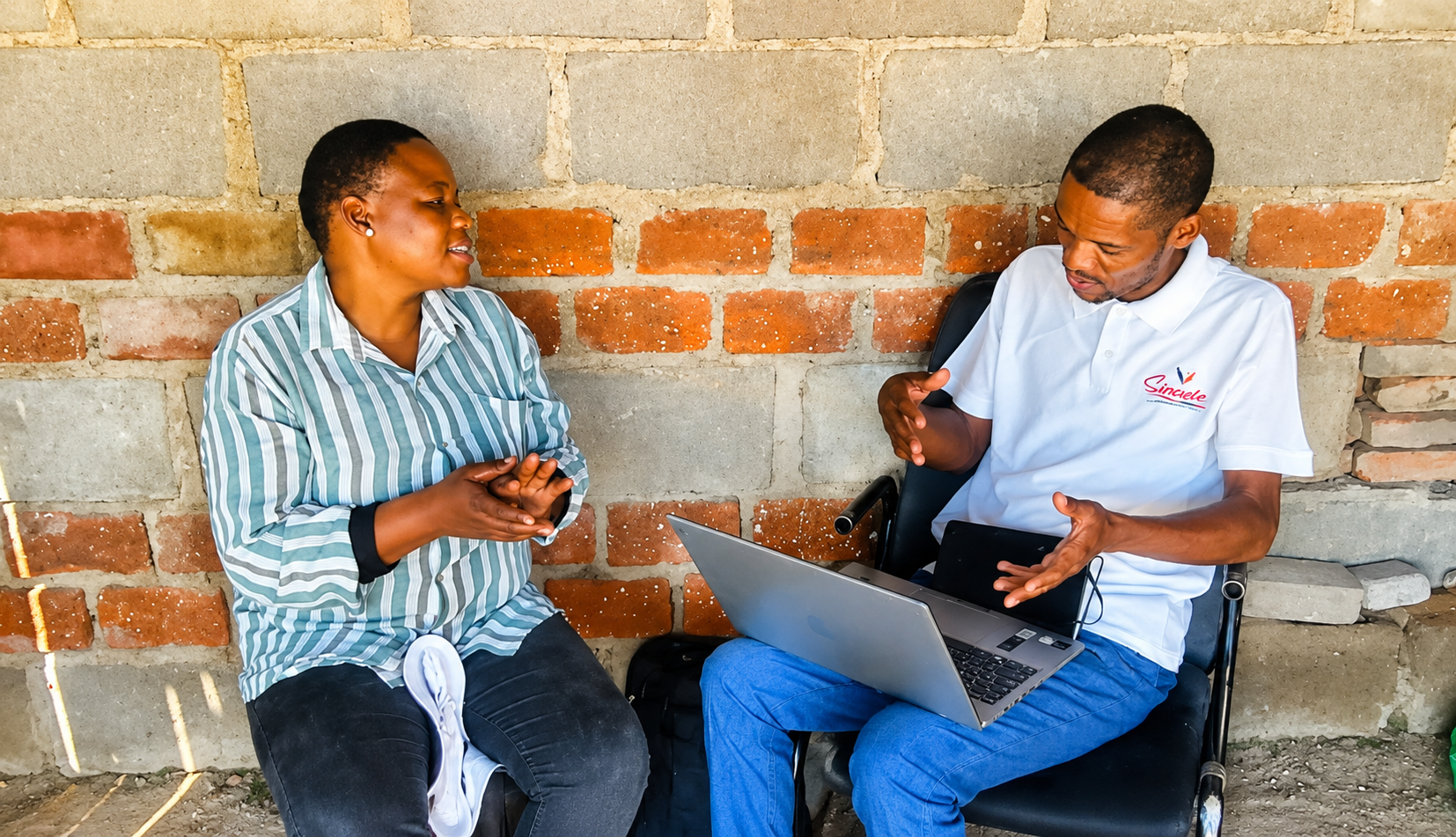
Sex workers in Botswana are experiencing growing challenges in accessing healthcare, HIV prevention services, and social support following reductions in funding for community services, according to Andrew, a sex worker and part-time administrative officer with Sisonke Botswana Organization.
Andrew says sex workers in Botswana have long faced stigma and discrimination, even before funding cuts affected healthcare and outreach services.
“We experience stigma and discrimination,” he said.
Before the withdrawal of funding, sex workers were able to access healthcare services such as condoms and HIV testing more easily. However, Andrew says the situation has worsened in recent months, particularly for sex workers living with HIV.
“It is unfavorable, we are unable to access medical care sufficiently,” he said.
Andrew, who is currently on PrEP, said the medication remains available in some areas, but shortages in healthcare services are affecting consistent access to HIV prevention and treatment.
“There is a shortage of some services in healthcare,” he said, adding that it is becoming difficult to monitor adherence to treatment.
According to Andrew, funding reductions have resulted in limited condoms, stock-outs of medication, and reduced access to HIV self-testing kits.
“Condoms and HIV self-kits have become harder to access,” he said.
PEPFAR program data for the fourth quarter of FY 2025 shows that 710 people were initiated on PrEP in Botswana, compared to 3,132 people initiated during the same period in 2024. This represents a decline of approximately 77.3 percent in PrEP initiations, indicating the significant effects of the stop-work order on HIV prevention services and access to care.
To cope with the challenges, many sex workers rely on organizations such as Sisonke Botswana Organization for support, advocacy, and legal assistance.
“Sisonke advocates for sex workers and offer legal support in cases of violence,” he said.
Andrew also highlighted the dangers sex workers face while working, particularly at night.
“We are vulnerable to harsh working conditions,” he said. “We are afraid of being exposed to violence during the night, especially from police officers.”
On policy and advocacy, Andrew said he is aware of laws and policies affecting sex workers and people living with HIV in Botswana through government media platforms, although he has not yet participated in advocacy activities.
“The deteriorating stigma and discrimination” motivated him to become interested in advocacy work, he said.
However, stigma, discrimination, and limited resources remain major barriers preventing many sex workers from participating in advocacy and decision-making processes.
“Due to the stigma and discrimination, I fear speaking out,” Andrew said.
Andrew said reduced funding has also negatively affected advocacy efforts within the community due to a lack of resources and support systems.
On HIV prevention, Andrew said condoms and PrEP remain the primary prevention options available to sex workers in Botswana. He said most sex workers understand safe ways to protect themselves from HIV, but barriers such as stock-outs, stigma, and long travel distances to clinics especially in rural areas make consistent access difficult.
“Sex workers may delay or avoid seeking care due to stigma and distance. This can increase exposure to HIV and STIs,” he said.
Andrew said he would like to see stigma-free and easily accessible HIV prevention services, with more prevention options available to sex workers.
“People should be spoilt for choice in order to complement their lifestyle,” he said.
He also called on policymakers to prioritize the health and rights of sex workers and involve them in policy discussions.
“As a sex worker, I want my health to be first priority when policies are constructed,” he said. “There should also engage us to share our lived experiences.”
Andrew further called for stronger enforcement of protection laws and greater freedom for sex workers to work without fear of judgment.
“Please give us liberation to do our work without fear of being judged,” he said.